
India-U.S. Trade Talks Stall Again as Tariffs, Russian Oil and Agriculture Divide Negotiators
India-U.S. trade negotiations have stalled again as tariffs, Russian oil purchases and agriculture remain difficult points of disagreement.
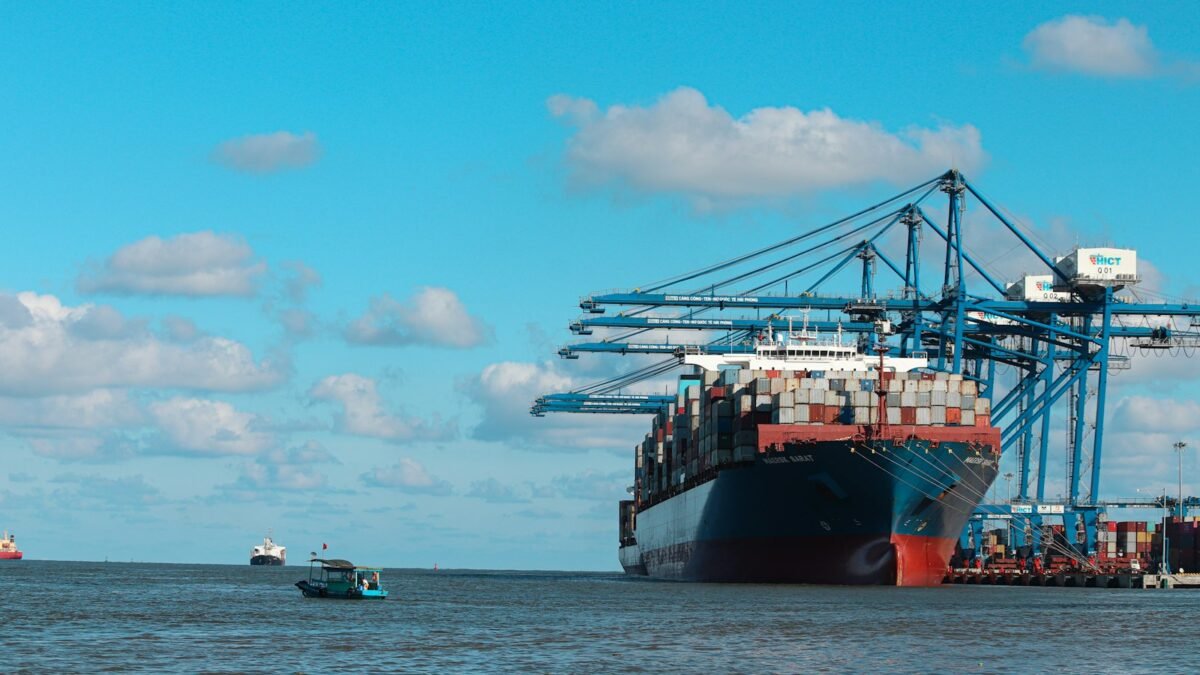
India-U.S. trade talks have stalled again despite months of negotiations, with tariffs, India’s purchases of Russian oil and politically sensitive agricultural access continuing to divide the two countries.
The latest impasse comes after earlier progress reduced some punitive tariffs on Indian goods. A broader agreement, however, remains difficult because both governments are seeking concessions that carry significant domestic political costs.
Why India-U.S. trade talks have stalled
India wants more predictable access to the U.S. market and better tariff treatment for exporters. Washington wants New Delhi to reduce barriers and address concerns around energy purchases and market access.
Reuters reported that a U.S. law could allow tariffs of up to 100% on some Indian goods linked to continued purchases of Russian oil, increasing uncertainty for exporters.
Agriculture remains especially sensitive
Agriculture is one of India’s most politically sensitive sectors because millions of households depend directly or indirectly on farming.
Opening markets too quickly could create strong domestic opposition, while U.S. negotiators are seeking better access for American producers.
Geopolitics complicates the economic relationship
The United States and India cooperate strategically in defense, technology and the Indo-Pacific, but disagreements over Russia and regional diplomacy have added tension.
Trade negotiations therefore cannot be separated completely from the wider political relationship.
Why businesses care about tariff uncertainty
Companies make investment and supply-chain decisions years in advance. Uncertainty over tariffs can delay factory investment, change sourcing decisions and make pricing more difficult.
India also runs a substantial trade surplus with the United States, making the relationship economically important for both exporters and policymakers.
What to watch next
Upcoming high-level diplomatic meetings may determine whether talks regain momentum. A narrower agreement focused on selected sectors may be easier to achieve than a sweeping trade deal.
If negotiations remain stalled, businesses will watch closely for changes in tariff enforcement and for any new measures tied to India’s energy purchases.
Source
Based on same-day reporting from Reuters.