
Google Signs 3.6-GW Power Deal With Constellation as AI Data Centers Drive Electricity Demand
Google signed a 3,590-megawatt power agreement with Constellation Energy as AI data centers drive unprecedented electricity demand.
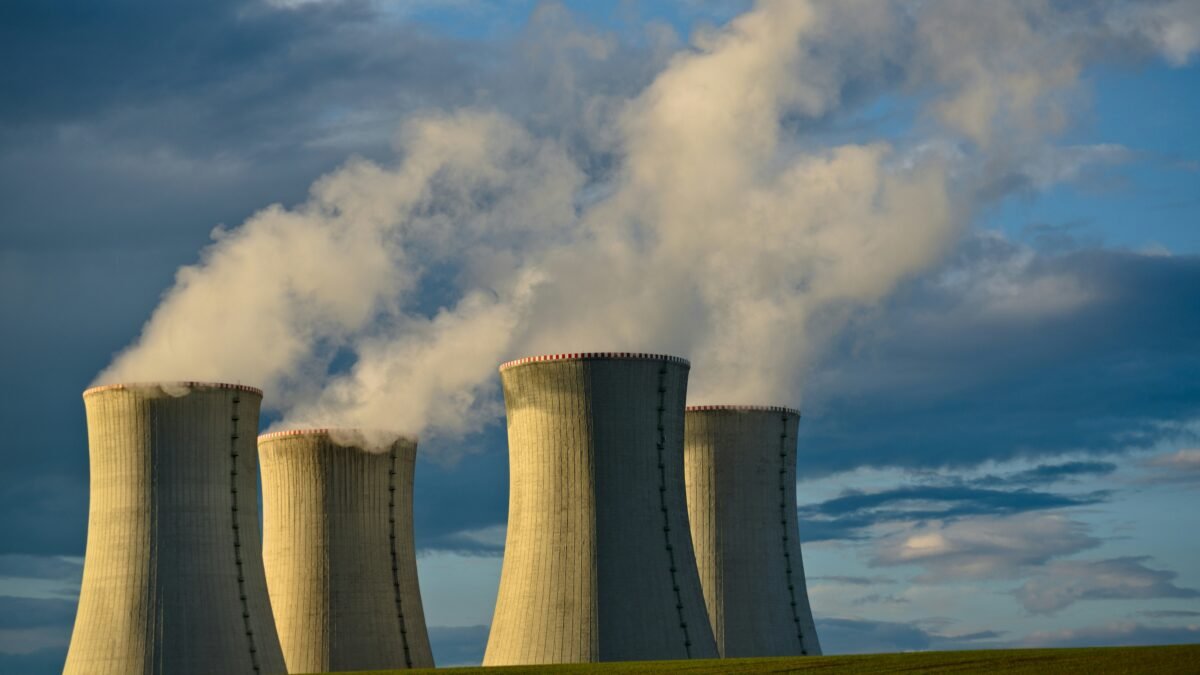
Google has signed a 3,590-megawatt power agreement with Constellation Energy, one of the largest recent U.S. electricity deals tied to the explosive growth of AI data centers. The agreement shows how access to reliable power is becoming a strategic requirement for the next phase of artificial-intelligence expansion.
Google signs a 3.6-GW power deal
The agreement covers about 3.6 gigawatts of power. Reuters reported that roughly 890 megawatts will come from upgraded nuclear capacity under a 20-year agreement, while another 2,700 megawatts will be supplied under a separate long-term arrangement in the PJM grid region.
Constellation plans to invest billions of dollars to increase output from existing nuclear facilities. The scale of the deal reflects the extraordinary electricity needs of modern data centers running large numbers of AI accelerators around the clock.
Why AI data centers need so much electricity
Training and serving advanced AI models requires dense computing infrastructure. Thousands of processors operate continuously, while cooling systems, networking equipment and backup power add to total consumption.
As a result, technology companies are moving beyond ordinary commercial electricity contracts. They are negotiating directly with utilities and power producers, supporting new generation and exploring nuclear, natural gas, renewables, storage and demand-response programs.
Power is becoming an AI bottleneck
The semiconductor industry can produce more chips, but those chips still need buildings, transmission connections and dependable electricity. In several U.S. regions, grid interconnection queues and power availability are now major constraints on new data-center projects.
That means electricity infrastructure could become as strategically important as processors. Regions that can deliver reliable power quickly may attract more data-center investment, while areas with congested grids may lose projects.
Why nuclear power is back in focus
Nuclear plants can provide large amounts of continuous electricity with low direct carbon emissions. That makes them attractive to technology companies seeking both reliability and cleaner power.
However, nuclear expansion is expensive and heavily regulated. Upgrading existing plants can be faster than building new reactors, which helps explain why existing nuclear capacity is receiving renewed attention.
What the deal means for consumers and grids
Large data-center power contracts can support new investment, but they also raise questions about who pays for transmission upgrades and whether household electricity prices could be affected.
Utilities and regulators will increasingly need to balance data-center growth with affordability and grid reliability.
What to watch next
Watch for additional power agreements between technology companies and utilities, changes in PJM market rules and new investment in nuclear, storage and gas generation. Constellation’s share-price reaction also shows that investors increasingly view AI electricity demand as a major growth driver for the power sector.
Source
Based on same-day reporting from Reuters.