
Norse Atlantic Keeps Capacity Low as Jet Fuel Costs Squeeze Long-Haul Airline
Norse Atlantic Airways kept capacity reduced in September as high jet fuel prices pressured the long-haul budget carrier despite stronger unit revenue.
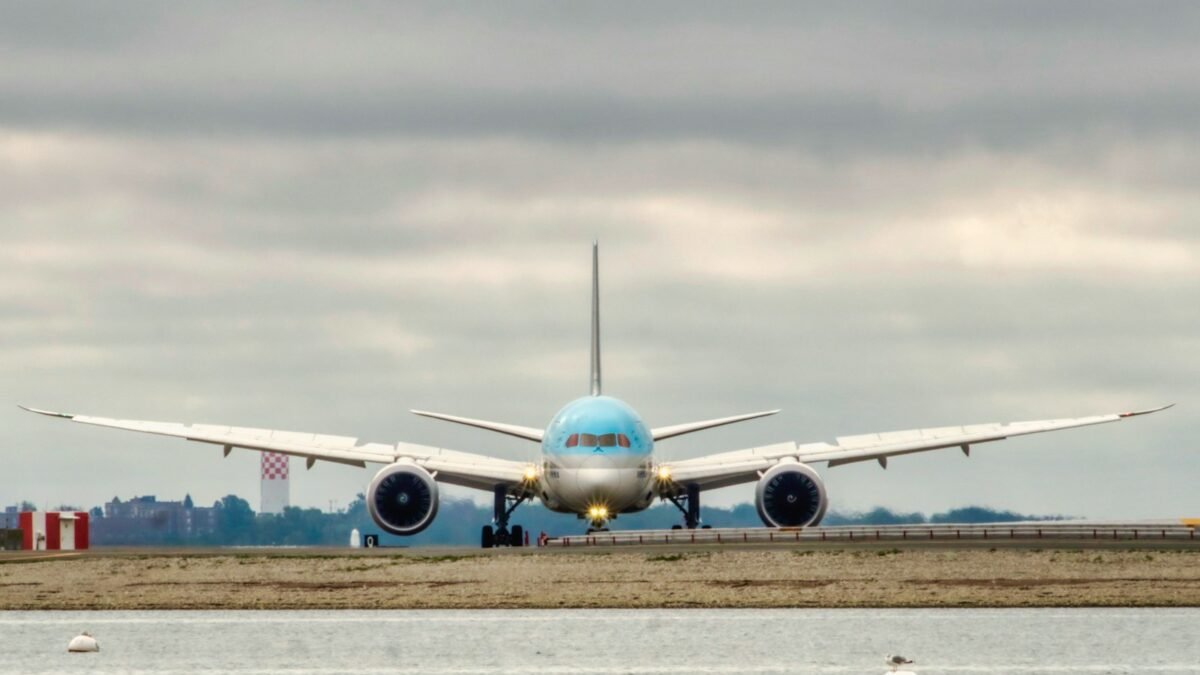
Norse Atlantic Airways kept flight capacity reduced in September as high jet fuel prices continued to pressure the long-haul budget airline, even though revenue per unit improved sharply. The Norwegian carrier is simultaneously reviewing strategic options, including a potential sale or merger.
Norse is flying less despite stronger unit revenue
Norse said unit revenue rose 35% from a year earlier and its load factor reached 96.9%, meaning most available seats were filled. Even so, the airline carried 109,202 passengers during the month, down nearly one-third from the same period in 2025.
The difference reflects deliberate capacity reductions. Management is trying to protect cash and margins while fuel prices remain unusually high.
Jet fuel has become the central problem
Norse is particularly exposed because it does not hedge its fuel needs. When jet-fuel prices rise rapidly, the airline feels the increase more directly than competitors that locked in part of their future fuel costs earlier.
Fuel prices have more than doubled since the Iran conflict intensified, creating pressure across the aviation industry. Long-haul flights are especially sensitive because fuel represents a large share of operating costs.
The airline is also considering strategic alternatives
Norse launched a formal process for a potential sale or merger in July. It is also discussing aircraft leasing opportunities with other airlines, including Boeing 787 jets expected to return from IndiGo.
Aircraft leasing could provide short-term revenue while allowing the company to reduce exposure to routes that are difficult to operate profitably at current fuel prices.
The U.S. network has been scaled back
Norse was founded in 2021 around low-cost transatlantic travel between Europe and the United States. The company has significantly reduced that strategy. From November, its website lists only Orlando among U.S. destinations.
Management is placing greater emphasis on Far East bookings, showing how fuel economics can reshape route planning as well as ticket prices.
Why this matters for travelers
High fuel costs can lead airlines to cut frequencies, reduce seasonal routes or raise fares. Smaller carriers typically have less financial flexibility than larger global airlines, so passengers should watch schedules carefully when booking far in advance.
The pressures follow other recent European travel disruptions, including the Brussels Airport strike cancellations.
What to watch next
The biggest questions are whether Norse reaches a sale, merger or aircraft-leasing agreement and whether fuel prices fall enough to support renewed capacity growth. Investors will also watch cash reserves and the sustainability of the airline’s current route network.
Source
Based on reporting from Reuters.